
The handicraft sector is one of the most underrated wealth generators in the modern economy. While everyone is chasing saturated tech markets, a massive, unorganized demand exists for authentic handmade products locally and globally. If you have the skill to create or source quality handmade items, you have the foundation for a highly scalable startup in India.
The barrier to entry is virtually zero. You do not need massive capital or a factory. In fact, some of the most successful models for starting a handicraft business process their first thousand orders right from a spare bedroom.
Whether you want to build a secondary income stream or launch a full-scale export business in India, this guide covers the most practical, high-margin handicraft business ideas you can execute right now.
What Are the Best Handicraft Business Ideas for Beginners? (Quick Summary)
If you are looking for a direct answer, here is a quick list of the most profitable and easy-to-start home-based art business ideas:
- Hand-Painted Traditional Pottery (Terracotta)
- Custom Hand-Poured Scented Candles
- Eco-Friendly Bamboo and Jute Products
- Hand-Block Printed Ethnic Wear
- Macrame Wall Hangings and Plant Hangers
- Custom Resin Jewelry and Coasters
- Handcrafted Leather Wallets and Belts
- Organic Handmade Soaps and Skincare
- Handmade Papier-Mache Home Decor
These categories require extremely low upfront investment, rely heavily on individual skill, and have undeniable market demand both locally and internationally.
9 High-Margin Home-Based Art Business Ideas
Let us break down exactly which niches are currently dominating the market, why they work, and who they are best suited for.
1. Custom Hand-Poured Scented Candles

Candle making has transformed from a simple hobby into a premium luxury market. The margins on aesthetic, uniquely scented candles are incredibly high. By using organic soy wax and natural essential oils, you can position your products as premium home decor.
- Startup Cost: Very low (wax, wicks, fragrance oils, molds).
- Best for: This venture is one of the easiest home-based art business ideas to manage from your kitchen.
- Target Market: Urban gifting, corporate hampers, and festive sales.
2. Eco-Friendly Bamboo and Jute Products
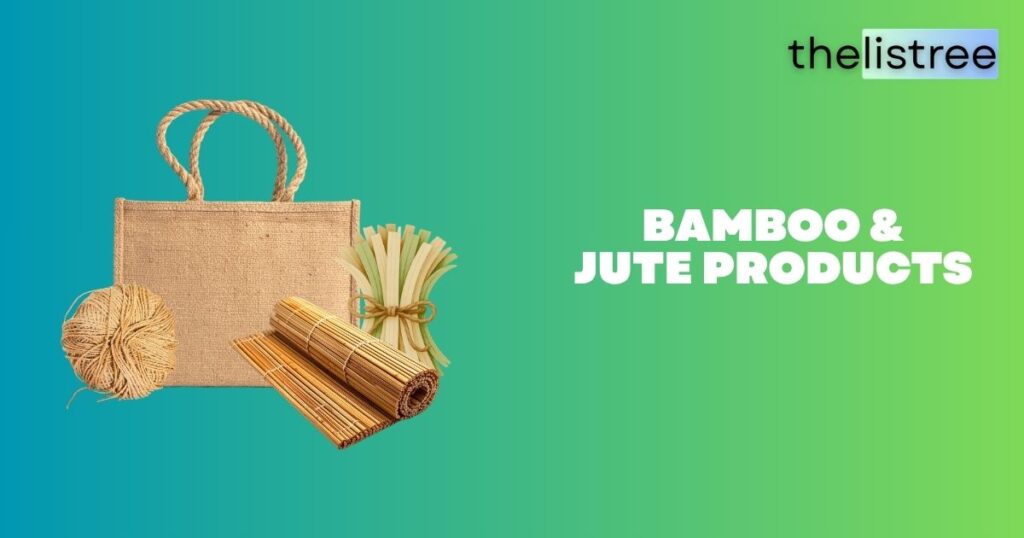
Sustainability is no longer a trend; it is a global mandate. Products crafted from bamboo and jute (like bags, organizers, and tableware) are seeing explosive demand in Western markets.
- Startup Cost: Low to medium.
- Best for: Entrepreneurs looking to build a large-scale export business in India. Global buyers actively source sustainable Indian handicrafts.
- Target Market: Eco-conscious consumers, international wholesalers, and boutique lifestyle stores.
3. Hand-Block Printed Ethnic Wear
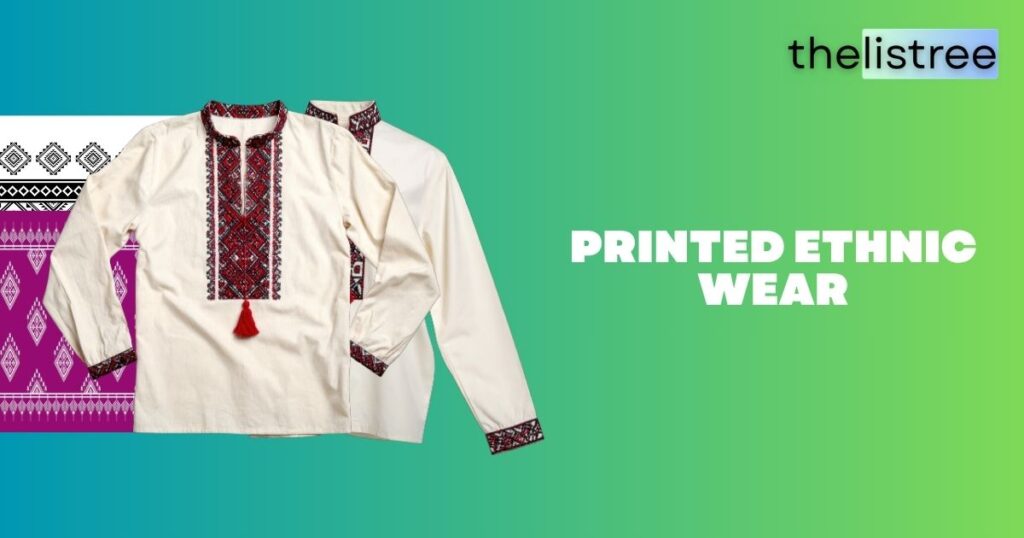
India has a rich heritage of block printing (like Ajrakh, Kalamkari, and Bagh). You do not necessarily need to be the artisan. You can source genuine block-printed fabrics from rural clusters and design modern, minimalist ethnic wear.
- Startup Cost: Medium (Fabric sourcing, tailoring, inventory).
- Best for: Fashion-forward entrepreneurs looking for a scalable startup in India.
- Target Market: Premium ethnic wear buyers, direct-to-consumer online sales.
4. Custom Resin Art and Jewelry
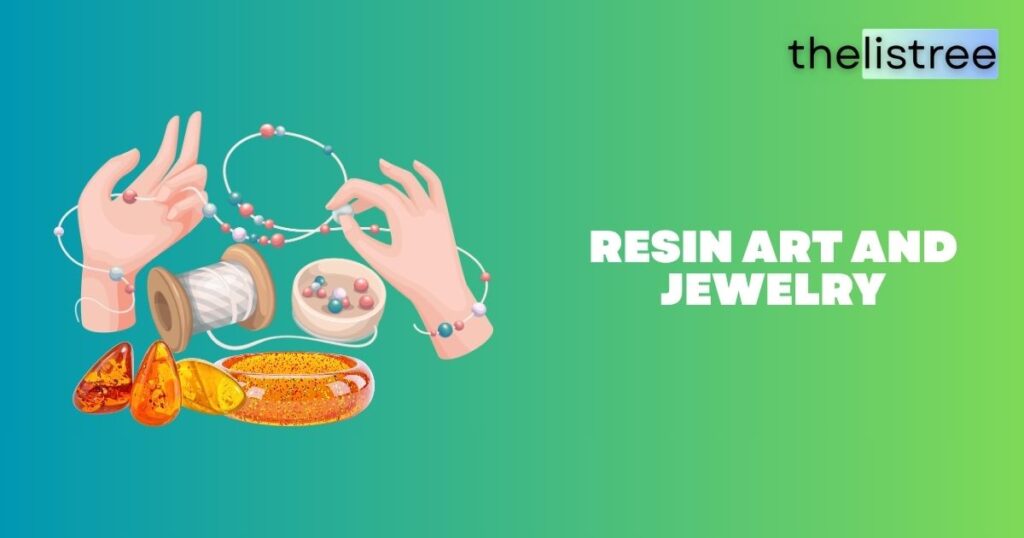
Resin art has taken social media by storm. It allows you to create hyper-customized, glossy products like keychains, coasters, bookmarks, and jewelry using dried flowers and pigments.
- Startup Cost: Extremely low.
- Best for: This venture is the perfect handicraft business for students because the materials are cheap, the production time is short, and the final products are highly viral on visual platforms like Instagram.
- Target Market: Gen Z, personalized gifting, online marketplaces.
5. Macrame Home Decor
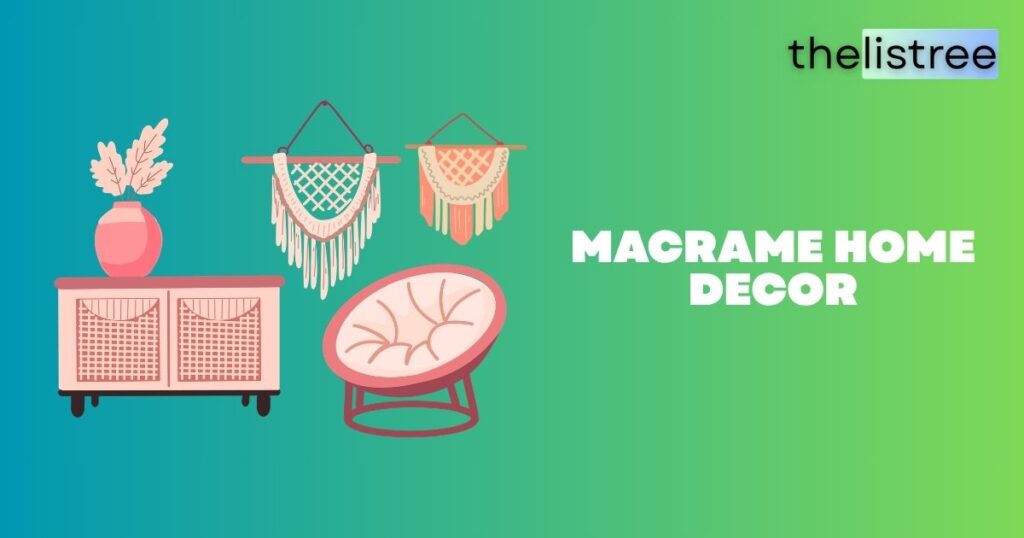
Macrame involves knotting cords to create intricate patterns. It requires zero machinery, just a cord, scissors, and your hands. Macrame plant hangers, wall pieces, and hammocks are core staples of modern bohemian interior design.
- Startup Cost: Practically zero.
- Best for: Anyone who wants to start completely from home with almost no financial risk.
- Target Market: interior designers, home decor enthusiasts, and plant lovers.
6. Handcrafted Leather Goods

Mass-produced leather lacks the character and durability of original, handcrafted full-grain leather. Selling hand-stitched wallets, cardholders, and belts is a proven business model. High-quality craftsmanship commands a very high ticket price.
- Startup Cost: Medium (quality leather hides, specialized hand tools).
- Best for: Highly detail-oriented individuals who appreciate craftsmanship.
- Target Market: Premium men’s and women’s accessory buyers, corporate gifting.
7. Organic Handmade Soaps
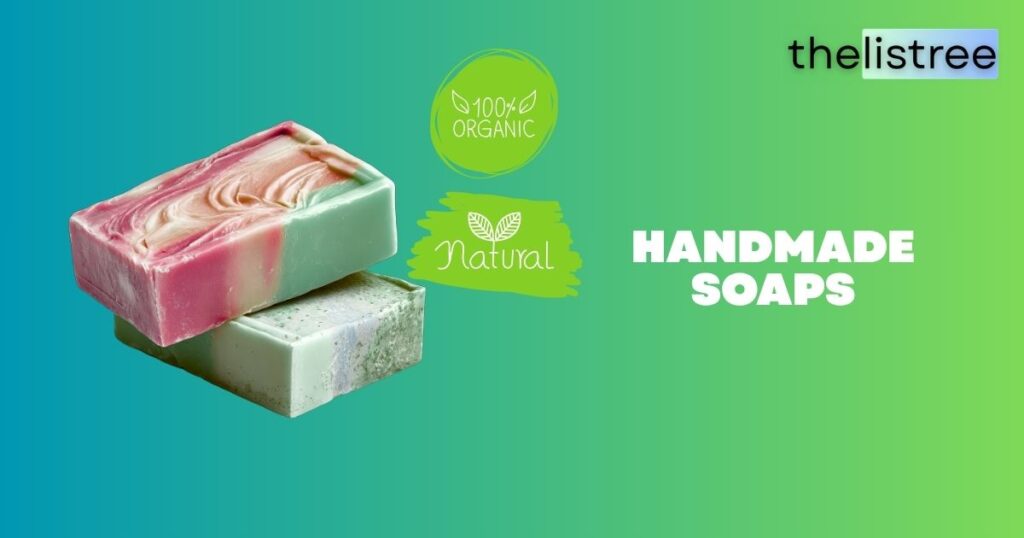
Commercial soaps are loaded with harsh chemicals, causing a massive shift in consumer behavior toward natural, cold-pressed handmade soaps.
- Startup Cost: Low.
- Best for: Individuals interested in wellness and beauty looking to run a business from home.
- Target Market: Health-conscious individuals, luxury hotel suppliers, and boutique skincare brands.
8. Terracotta and Hand-Painted Pottery
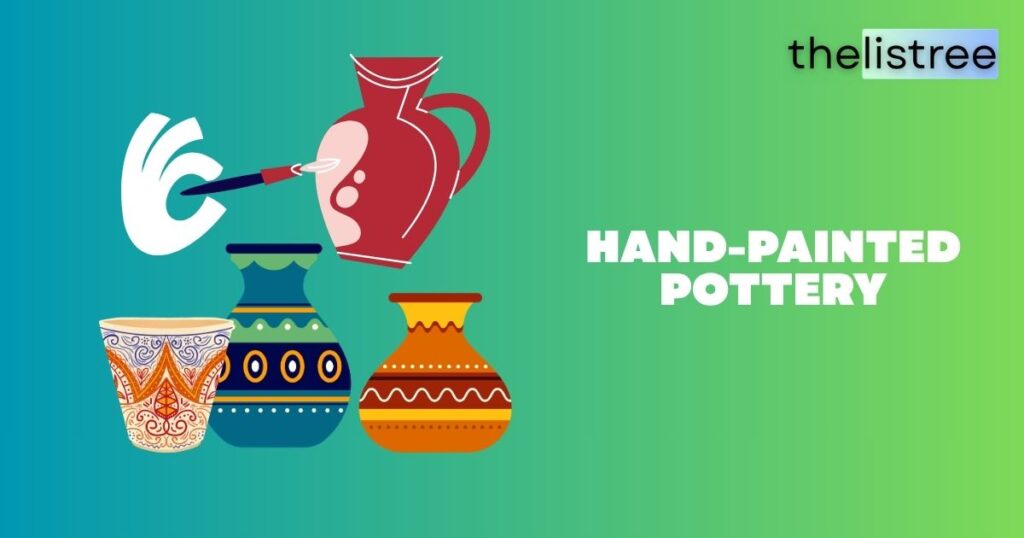
Traditional Indian terracotta artistry remains timeless. From decorative pots and miniature idols to intricate dinnerware, hand-painted ceramics hold immense cultural and aesthetic value.
- Startup Cost: Low (Sourcing clay or unpainted bases, paints, and sealing agents).
- Best for: A traditional handicraft business startup focusing on cultural heritage.
- Target Market: Festive decorators, cultural exporters, and garden centers.
9. Upcycled and Papier-Mache Decor
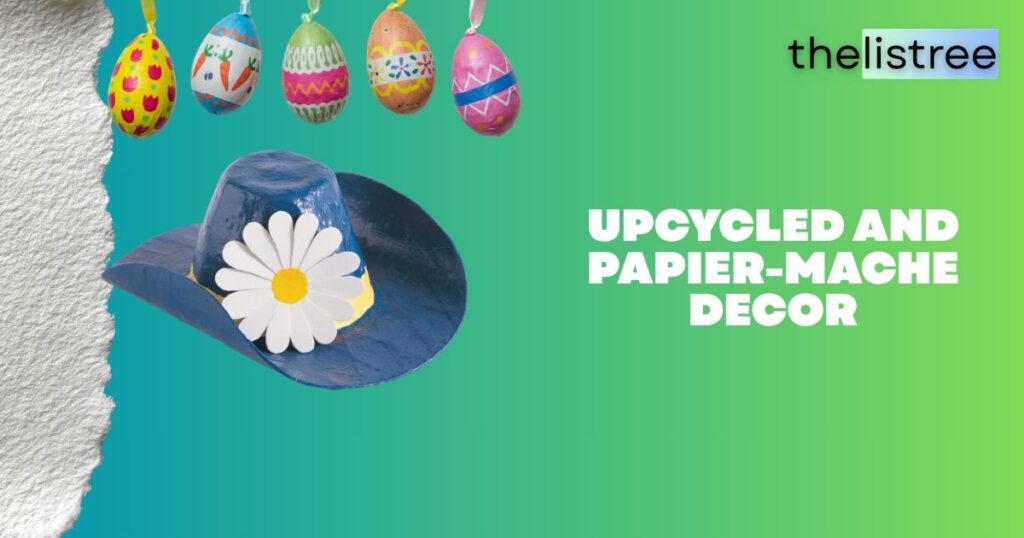
Transforming waste paper and cardboard into sturdy, beautifully painted bowls, lampshades, and decorative pieces is both highly profitable and environmentally friendly. Kashmiri papier-mache, for example, is globally recognized.
- Startup Cost: Bare minimum.
- Best for: Highly creative individuals with excellent painting execution skills.
- Target Market: Art collectors, sustainable lifestyle stores.
Where to Sell Your Handmade Products (Online & Offline)
Creating the perfect product is only step one. Knowing exactly where to distribute your inventory dictates whether your business scales or fails. Here is the ultimate breakdown of exactly where to sell your handicrafts, both locally and globally.
1. Etsy (The Export Gold Standard)
If your goal is to build an export business in India, Etsy is mandatory. It is completely dedicated to handmade, vintage, and craft supplies. European and US buyers expect premium Indian craftsmanship on Etsy and are willing to pay in dollars or euros. This platform is where you get the highest profit margins for unique handmade products.
2. Amazon Karigar (High Domestic Volume)
Unlike the standard Amazon seller platform, Amazon Karigar is a specific initiative built to showcase Indian artisans, weavers, and small handicraft businesses. Once enrolled, you get massive domestic visibility and access to Amazon’s robust fulfillment network inside India.
3. Meesho (High Sales, Lower Pricing)
If your products are mass-produced and priced under INR 1,000 (like cheap resin jewelry or simple terracotta pots), Meesho is a powerhouse. It targets Tier-2 and Tier-3 cities across India. Their zero-percent commission model sounds excellent, but expect intense price competition. It is fantastic for moving high inventory quickly, but rarely beneficial for premium, luxury branding.
4. Direct-to-Consumer via Shopify and Instagram
Relying entirely on third-party marketplaces is dangerous because they own the customer data. The smartest long-term handicraft business startup strategy is launching a dedicated Shopify store and driving traffic through viral Instagram Reels. Creating behind-the-scenes content (showing the messy workspace, the raw materials, and the tedious creation process) builds massive buyer trust and brand loyalty without paying any marketplace commissions.
5. Offline Exhibitions and Flea Markets
Do not ignore offline sales. Booking stalls in weekend flea markets or regional craft fairs (like Dilli Haat, Kalagram, or Sunday Soul Sante) or setting up pop-ups in corporate parks gives you direct interaction with buyers. Offline sales offer immediate cash flow and instant feedback on your product’s pricing and perceived quality. You can literally watch how a customer reacts to experiencing your product.
Important Logistics and Compliance Checklist
Before you list your very first product on an Indian marketplace, ensure you have the operational basics covered. Do not attempt to run a commercial business without these:
- GST Registration is Mandatory: In India, you cannot sell anywhere online (Amazon, Flipkart, or Meesho) without a valid 15-digit GSTIN (Goods and Services Tax Identification Number), even if your turnover is zero. Get it sorted immediately.
- Courier Logistics: Do not rely on local post offices if you want to scale. Sign up with an aggregator like Shiprocket or Pickrr. They allow you to schedule automated pickups directly from your house and provide your customers with live tracking links using professional carriers like Delhivery, Ecom Express, or Bluedart.
- For Export Compliance: To officially export from India via B2B channels, you will need an Importer Exporter Code (IEC) from the DGFT and registration with the Export Promotion Council for Handicrafts (EPCH).
Final Summary
Starting a handicraft business is one of the most accessible entrepreneurial paths available today. Whether your goal is a modest side income to support yourself as a student or building the next major export brand out of India, the formula remains the same: choose a specific niche, focus on high-quality craftsmanship, and master digital distribution.
Start small, test your products in local flea markets or on Instagram, sort out your GST and shipping logistics early, and scale your production only when the market demands it. Handcrafted products have a soul, and in a market flooded with factory-made plastics, spirit translates to exceptional financial value.